In light of the alert about the possible expansion of the neighborhood, authorities emphasized the importance of systematic monitoring of the movement: “This is linked to the excessive growth of the neighborhood, as if it continues at the same pace, the pressure on the slid material will increase, raising the possibility of damage to infrastructure and people”. To minimize the effects of these movements, they noted that a measure to be taken would be to install an effective alarm system.
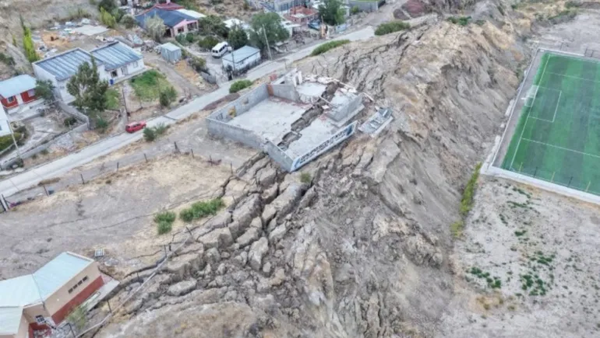
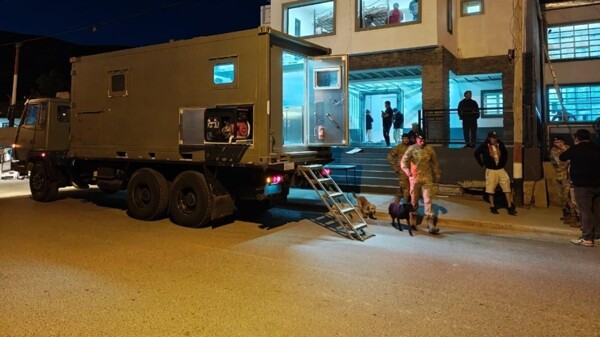
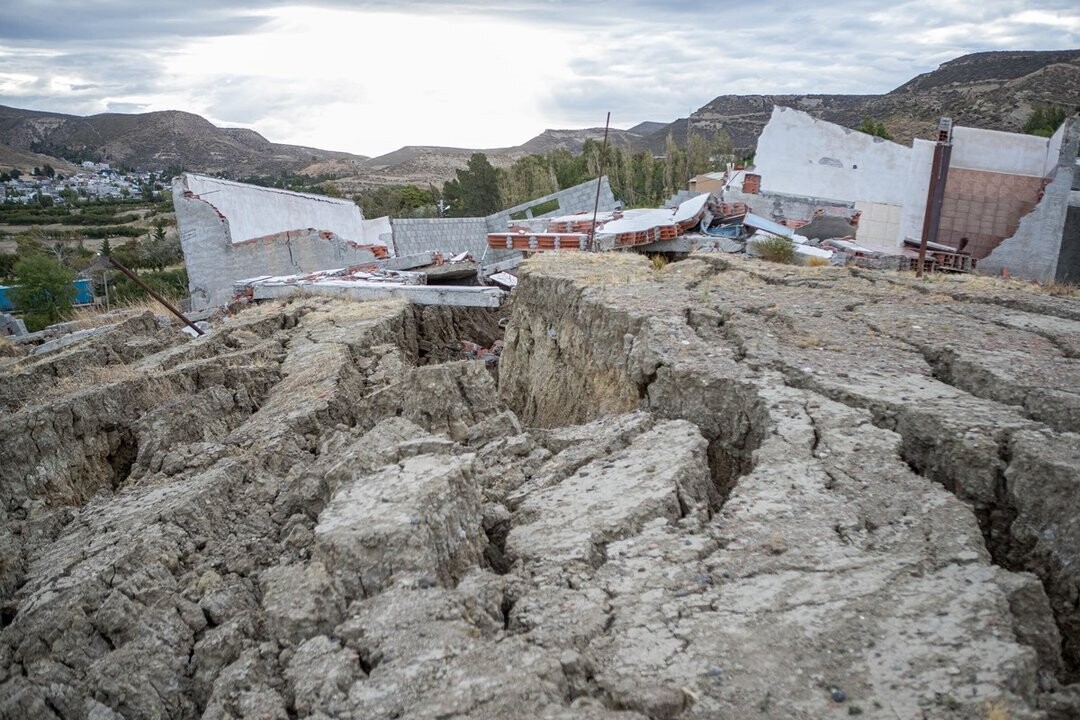
However, the neighborhood expanded and in recent hours it was confirmed that Hermitte hill collapsed, which caused hundreds of evacuations and operations in the area. In turn, it was added that the Deliberative Council declared a geological and urban emergency for 90 days “with the aim of implementing the necessary actions to mitigate the risks derived from soil instability in the area”.
“This will surely cause ground subsidence once it is subjected to intense urbanization, causing breaks in homes, pipes, and affecting the entire network of services that the neighborhood will require in the future,” highlights the document accessed by the Argentine News Agency. Satellite image of the areas where SEGEMAR recommendations should be applied. They also warned that “it is not possible to rule out a repetition of the slope movements, whereby the municipality would have the responsibility of establishing a permanent slope monitoring network if the neighborhood continues to expand”.
Faced with this possible scenario, experts recommended that it would be important “to instruct the neighbors of the neighborhood about the characteristics of the substrate on which their homes are located, so that they become aware of the danger and can thus understand the problem linked to the expansion of the Sismográfica neighborhood”. In this way, SEGEMAR issued a series of restrictions, which had to be addressed by officials:
- Avoid the laying of underground pipes and propose the laying of overhead pipes or in a meshed trench for better control.
- Restrict irrigation to the maximum.
- Do not generate new areas that demand irrigation.
- Do not carry out earthworks.
- Prohibit the expansion of the neighborhood onto the slope and area of influence.
- Do not build on what is already built.
- Do not carry out perforations, injections, nor extractions of fluids or materials.
- Create a commission for control and alarm among the inhabitants of the Sismográfica neighborhood.
Buenos Aires, January 19 (NA) – A 2002 report from the Argentine Mining Geological Service (SEGEMAR) already warned of the geological danger in the Sismográfica neighborhood in Comodoro Rivadavia due to urban expansion over Hermitte hill, which partially collapsed this past weekend and caused mass evacuations and extensive operations. According to the document “Geological Hazard Study in the Sismográfica Neighborhood”, prepared 24 years ago by the Directorate of Applied Environmental Geology of the Institute of Geology and Mineral Resources of SEGEMAR, there are three important axes that authorities must pay attention to and address: naturally moved materials, slope movements, and meetings with neighbors so that they understand the problem.
“The main problem of the neighborhood is that it is extending over naturally moved materials (landslide deposits), which have a large number of underground voids, produced by subwashing or subsurface water erosion. This shall inform the competent authority of any sign of movement (cracking in masonry, tilting of posts, cracks on the ground, etc.).